
New Construction in Colorado: What the Builder's Rep Will Not Tell You
The person in the model home is a skilled salesperson working for the builder. Here is what changes when you understand that from the first visit.
Brandon RearickNovember 11, 20254 min read
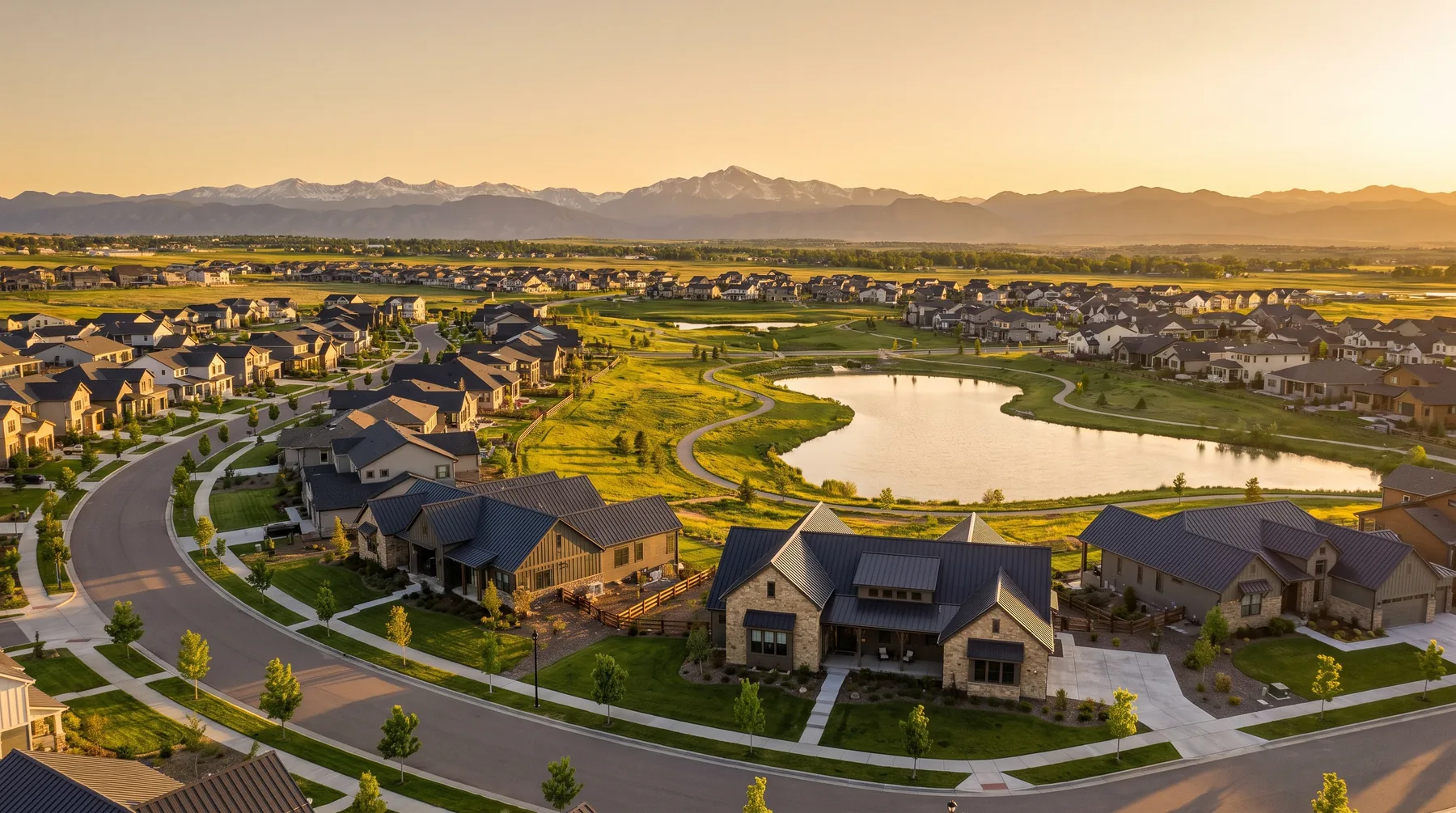
New construction is genuinely appealing along the northern Front Range. Newer systems, current layouts, warranty coverage, and in many communities a level of predictability that resale simply cannot match. Plenty of my clients buy new and are glad they did.
What surprises them is how different the process is. Not harder. Different, in ways that matter, and in ways the sales office has no obligation to explain.
The person in the model home works for the builder
Start here, because everything else follows from it.
The onsite representative is usually pleasant, knowledgeable, and genuinely helpful about the product. They are also employed by or contracted to the builder, and their duty runs to the builder. They are not your advocate in a negotiation, they are not obligated to tell you what a comparable home two communities over is selling for, and they are not going to volunteer which upgrades will not return their cost.
That is not a criticism. It is a job description. The mistake is assuming otherwise.
The practical consequence is that you want your own representation identified before your first visit, not after. Many builders will not recognize an agent who was not registered on your initial visit, which means the decision about representation gets made accidentally, by someone who walked in on a Saturday to look around. Register first. It costs you nothing and it is generally not reversible later.
The contract is not the one you have seen before
Colorado resale transactions typically run on a standard commission-approved contract that both sides know well. New construction usually does not. Builders write their own contracts, and those documents are drafted by attorneys working for the builder.
Read for these specifically:
- The completion date and what happens if it slips, including how many extensions the builder may take
- Whether your earnest money and deposits are refundable, and under what conditions
- Whether the price can change if material costs move
- Whether you are required to use the builder's affiliated lender or title company to receive incentives
- Dispute resolution, which is frequently mandatory arbitration
- What the warranty actually covers, for how long, and what voids it
None of these terms are unusual in new construction. Several of them are meaningfully different from what a resale buyer expects, and a few of them are negotiable if raised early.
The upgrade trap
The base price gets you a home. It does not get you the home you toured. Model homes are built and furnished to sell, which means they show the upper end of nearly every finish option.
Two things happen in the design center. First, individual upgrades feel small relative to the purchase price, so they get approved quickly. Second, they compound, and buyers regularly finish $50,000 or more above base without a moment where the decision felt large.
Some of that money is well spent. Structural changes, additional windows, plumbing and electrical rough-ins, and anything behind drywall are far cheaper now than they will ever be again. Finishes are usually the opposite. Flooring, fixtures, and countertops can often be done later, on your timeline, at a competitive price, without financing them for 30 years.
There is also an appraisal dimension. Upgrades do not add value on a dollar-for-dollar basis, and a heavily upgraded home in a community where most homes are near base can appraise below contract. That risk belongs in the conversation in the design center, not after.
The new construction guide goes deeper on which upgrades tend to hold value and how to sequence those decisions.
Inspections, and the timing nobody expects
A common belief is that a brand new home does not need an inspection because the municipality already inspected it. Municipal inspections confirm code compliance. They are not a quality review, and they are not looking out for you.
I recommend two inspections on new construction. The first happens at the pre-drywall stage, when framing, plumbing, electrical, and mechanical rough-ins are still visible. Almost nothing found at that point is expensive to correct. The second is a full inspection before closing, at the same standard you would apply to a 30 year old house.
Then use the warranty period deliberately. Many builders offer a walkthrough near the end of the first year. Keep a running list from the day you move in, because that list is worth far more than whatever you remember on the day of the appointment.
Financing and incentives
Builder incentives are real, and they are frequently tied to using the builder's affiliated lender. Sometimes that combination is genuinely the best available deal. Sometimes the incentive is smaller than the rate or fee difference, and the buyer never compares because comparing takes effort.
Get an outside quote. Compare total cost, not the headline rate. Then decide with numbers in front of you.
Also plan for the long timeline. A home completing in eight or ten months means your rate lock strategy is different from a 30 day resale closing, and it means your financial picture needs to stay stable for much longer than usual. Run the payment scenarios in advance with the mortgage calculator so a rate change during construction is a planned variable rather than a shock.
The honest summary
New construction can be an excellent decision. It is simply a different transaction with a different contract, a different negotiation, a different inspection timeline, and a different financing sequence.
Bring your own representation, read the contract as a real document rather than a formality, spend upgrade money where it cannot be added later, inspect twice, and compare the financing.
If you are weighing new construction against resale, the buyer resources lay out the tradeoffs in both directions. And if you want to walk a specific community with someone whose duty runs to you, that is exactly the visit to make before the first Saturday tour, not after.
Related Articles
- How to Buy New Construction in Northern Colorado Without Getting BurnedBuying new construction in Northern Colorado? Learn what builder contracts really say, how to negotiate incentives, and why independent representation costs you nothing.
- Colorado Home Buyer Closing Costs: How Much Cash Do You Really Need at Closing?Learn what Colorado home buyers should budget for at closing, including cash to close, closing costs, prepaids, seller credits, and common mistakes to avoid.
- First-Time Homebuyer Guide for Colorado: What to Do Before You Start Touring HomesBuying your first home in Colorado? Learn the right first steps before touring homes, including budgeting, pre-approval, documents, and buyer mistakes to avoid.